
This Week's Monster
Andrew Christopher Quick
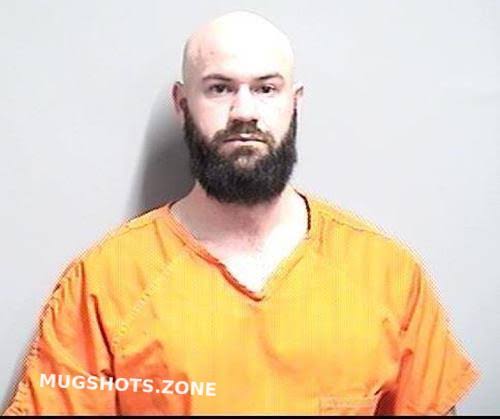
The record is disturbing enough without embellishment.
Andrew Christopher Quick's court history spans criminal cases, domestic-abuse proceedings, protective orders, no-contact-order litigation, and years of related family-court filings.
This week's Metro Monster is not built around every docket entry with his name on it. It is built around the records that actually say something substantive — and around keeping convictions, allegations, dismissed charges, and opinion in their proper lanes.
The Short Version
Follow the timeline.
August 2020
Domestic-abuse petition.
The petitioner sought relief from domestic abuse in Dallas County. A temporary protective order was entered. The petition later went to trial and was dismissed for insufficient evidence. That dismissal was not a finding that the underlying allegations were false.
December 2020
A second protective order.
The same petitioner filed another petition for relief from domestic abuse. Another temporary protective order was entered. That petition was later dismissed at the petitioner's request before trial. A voluntary dismissal does not establish that the underlying allegations were false.
December 2020
Burglary, tracking and eavesdropping allegations.
Court-record reporting described another woman telling police that she believed Quick was tracking her and had placed eavesdropping equipment in her apartment. Covert-camera footage allegedly showed him entering the apartment. Quick told officers he had permission to enter.
Final disposition
Not a burglary conviction.
Quick was originally charged with third-degree burglary and other offenses. He ultimately pleaded guilty to disorderly conduct. The remaining counts were dismissed.
December 27, 2020
Assault case.
In Polk County, Quick was originally charged with assault while displaying a dangerous weapon. He ultimately pleaded guilty to Assault Causing Bodily Injury or Mental Illness.
2021–2026
The court record keeps going.
Related domestic-relations litigation includes repeated show-cause and contempt proceedings, no-contact-order issues, increased court security, modification litigation, and continuing proceedings.